
Commercial Snow Plowing Albany NY: What Businesses Should Expect is an important topic for property owners and managers preparing for winter operations. Snow can quickly cover parking spaces, entrances, loading zones, internal roads, and pedestrian access points, making normal business activities more difficult. Professional commercial snow plowing provides an organized way to manage snow accumulation while keeping important areas of a property accessible.
Proactively managing snow is key for Albany businesses. Knowing the layout of the property, hours of operation, areas of importance, snow storage and possible obstacles are important for contractors. A good commercial snow plowing Albany plan also takes into account what occurs during extended snowstorms and when the snow melts and refreezes, which can produce further issues.
From office buildings to retail stores, apartments, restaurants, medical facilities, warehouses, and industrial buildings, understanding the professional business snow removal service can help you better prepare for winter.
Why Commercial Snow Plowing Matters for Albany Businesses
Winter weather can impact a commercial property more than just its appearance. Snow may be deposited in parking areas, making it harder to enter or exit, affecting deliveries, and causing problems for employees and customers. The delay in clearing key areas can cause delays for companies that are open during storms.
Commercial snow management can be directed towards:
- Parking lots
- Main driveways
- Entrances and exits
- Internal traffic lanes
- Loading zones
- Employee parking
- Customer parking
- Accessible parking areas
- Fire and Emergency Access
- Waste collection areas
The precise requirements will differ depending on the kind of business and the use of the property. A medical facility operating around the clock, for example, may require a very different service schedule from an office that closes overnight.
What Is Commercial Snow Plowing?
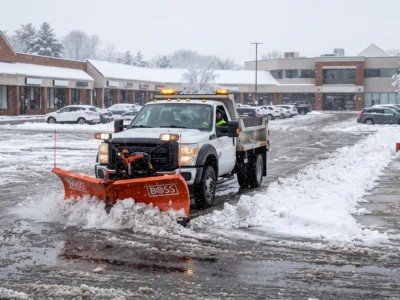
Commercial snow plowing is the task of mechanically clearing snow from significant parts of a commercial property.
Equipment can consist of:
- Pickup trucks with plows
- Heavy-duty plow trucks
- Skid-steer loaders
- Wheel loaders
- Snow pushers
- Snow blowers
- Material spreaders
Equipment should be chosen by a contractor based on the property. Big equipment can be used effectively for open parking lots, whereas small equipment can be better suited for more confined areas. The aim is to use the correct equipment and implement a clear plan for clearing snow, not just anywhere.
What Happens Before Snow Season?
The first step to hiring professional snow plowing services for businesses in Albany NY should be pre-season planning.
The contractor is welcome to come to the property and inspect:
- Property boundaries
- Parking layout
- Business hours
- Customer traffic
- Employee parking
- Delivery areas
- Emergency routes
- Snow storage locations
- Drainage systems
- Physical obstacles
This information can help the contractor and property manager set expectations prior to the onset of severe weather. This can also help to minimise confusion before a storm when decisions must be made promptly.
Pre-Season Site Inspection
Features that can be seen during warmer seasons can be masked by snow. Before winter, contractors and property managers should ascertain potential challenges that may include:
- Curbs
- Parking stops
- Drain covers
- Fire hydrants
- Utility structures
- Speed bumps
- Sign bases
- Landscaping
- Islands
- Low walls
Markers may be placed around certain obstacles so equipment operators can identify them when the pavement is covered. Businesses can also document existing pavement, curb, or landscaping damage before winter begins.
Developing a Property-Specific Plowing Plan
Snow removal requirements are unique for each commercial property.
A sound plan should address some questions:
Where should plowing begin?
Which areas need continuous access?
Where can snow be stored?
When should crews return?
Which sections can temporarily receive lower priority?
For instance, in a retail environment, the main entrances and parking areas could be the most important. A warehouse might be more focused on truck routes, loading docks and access for employees. Business snow removal is made more practical and efficient through planning for the properties.
Establishing Snow Plowing Priorities
If a large property experiences a heavy storm, it may not be feasible to clear all parts of the property simultaneously. Priorities should thus be identified prior to winter.
Priority 1: Critical Access
This may include:
- Main entrances
- Main exits
- Emergency access
- Primary traffic lanes
- Essential loading areas
Priority 2: Customer and Employee Areas
This may include:
- Main parking sections
- Employee parking
- Accessible parking
- Pickup areas
Priority 3: Secondary Areas
These might include:
- Overflow parking
- Secondary entrances
- Low-traffic sections
- Less frequently used areas
Priorities should be based on the needs of the business.
When Does Commercial Snow Plowing Start?
A service trigger can be referenced in the commercial snow contracts. The agreement might specify when crews patrol for snow buildup or agreed-upon property conditions, for instance. The trigger needs to be customized for each company, and you should never presume it’s the same one.
If you are thinking about entering into a contract, ask yourself:
- When does service begin?
- Does plowing happen automatically?
- Do we need to request service?
- Are multiple visits included?
- What happens during continuous snowfall?
- Is there a separate final cleanup?
Understanding these details helps prevent disagreements when a storm arrives.
What Happens During an Active Snowstorm?
One of the misconceptions is that contractors don’t start work until there is no snow at all. It is not always feasible with commercial properties. For longer storms, crews may make more passes.
One of the common procedures might be:
Initial clearing → Maintain main routes → Revisit priority areas → Final cleanup
During an active snowfall, the goal could be to keep critical areas usable but not to completely clear the parking lot. When the snow stops, crews can undertake more in-depth clearing.
Why Multiple Plowing Visits May Be Necessary
Suppose snow starts at 7:00 pm and lasts until the next afternoon. Waits until the storm is over and can be left with a lot of snow.
Rather, regular service can assist in maintaining:
- Vehicle entrances
- Main traffic lanes
- Emergency routes
- Critical parking areas
Final clean-up may also be simpler if multiple passes are specified, as crews will not be tackling the whole mess at once. Repeat visits are subject to an agreement; businesses need to know how this works.
Keeping Commercial Entrances Open
If a parking lot is not accessible to customers, it’s no use. So, entrances and exits are often priorities. Another problem is snow that’s being left by the municipal plows close to commercial driveways.
A contractor can clear a driveway or walkway, and then more snow is driven into the space later on. Return visits might be necessary, depending on the service contract. If a business has more than one entry point, it might choose to focus on some of the doors on major days of severe weather.
Parking Lot Snow Plowing
The most common types of commercial snow removal jobs are in parking lots. A contractor can break the lot down into areas. This can assist in keeping traffic flowing during clean-up in areas where traffic can be kept.
This process can include:
- Opening main traffic lanes.
- Clearing unoccupied parking sections.
- Moving snow toward designated storage areas.
- Returning to occupied spaces later.
- Completing final cleanup after vehicle movement.
It becomes more challenging to clear the parking lot if there are many cars in the lot. Storms can be coordinated to improve results for businesses.
Managing Employee Vehicles During Plowing
Equipment may not be able to effectively clear parking spaces if vehicles are left in the parking lot.
Businesses can set up a winter parking plan like:
- Using designated employee zones
- Moving vehicles during scheduled plowing
- Closing certain sections temporarily
- Keeping overnight parking limited
- Communicating plowing schedules to employees
This is particularly important for businesses that operate 24 hours a day. It is advisable to discuss, before the snow job, the procedure for occupied parking areas between the snow contractor and the property management.
Accessible Parking and Routes
The snow management plan should not be a plan for normal snow storage space, but should include accessible parking areas.
Pay attention to:
- Accessible parking spaces
- Access aisles
- Ramps
- Curb transitions
- Connecting routes
If the parking lot is covered with snow, but there is no snow covering the path from the vehicle to the building, that is insufficient to clear the parking lot. Parking lot and sidewalk crews need to coordinate to ensure accessible access where needed when providing service.
Loading Dock Snow Removal
Loading areas can be critical components of a warehouse, retail property, manufacturing facility, or distribution center.
Snow around a loading dock can be a problem in the following areas:
- Truck positioning
- Trailer movement
- Deliveries
- Employee access
- Loading equipment
Commercial snow contractors need to be familiar with the typical truck movement on the site. Snow piles that are improperly placed can limit turning area and make it more difficult to move large vehicles. This may therefore be the same as the priority given to loading areas as main entrances for industrial properties.
Snow Storage Planning
Plowing does not make snow disappear. Transports snow from one place to another. The location of that snow can make or break a business’s ability to operate following a few storms.
It is generally not recommended to store snow where it will impede:
- Entrances
- Accessible parking
- Fire lanes
- Loading areas
- Pedestrian routes
- Drainage
- Important sightlines
Before winter, the contractor should be aware of suitable storage areas. The same place where a storm is acceptable should also be considered for what might occur following multiple snowfalls.
Why Snow Pile Location Matters
Inadequate snow placement can result in additional issues.
Large piles may:
- Reduce parking capacity
- Block driver visibility
- Cover drains
- Interfere with sidewalks
- Restrict vehicle movement
- Produce runoff during melting
That is why Albany commercial snow plowing should not be considered just plowing, but snow management. Snow piles should be monitored every season to determine their size and location on the property by contractors and property managers.
Snow Relocation and Hauling
Eventually, a commercial property may run out of suitable snow storage space. In this instance, snow may require removal within the property or removal of the snow outside the property.
Depending on the situation, snow hauling can consist of:
- Loaders
- Dump trucks
- Off-site transportation
- Additional labor
Before winter, businesses should check to see if snow hauling is a regular part of the contract in order to avoid this situation. In many cases, it might be a different service. Having the information about pricing and approval up front can help make decisions after multiple storms.
Commercial Snow Plowing and Ice Management
Plowing will alleviate snow conditions, but will not necessarily prevent slippery areas. The very light layer may be left behind after the plow has passed. The melting of snow can also form water that will refreeze. Depending on the site and the service contract, commercial ice management may include a suitable deicing/anti-icing approach.
These can be:
- Entrances
- Sloped pavement
- Intersections
- Pedestrian crossings
- Loading areas
- Shaded sections
Businesses should ask whether ice management is included with their snow plowing services Albany NY or priced separately.
The Problem of Melting and Refreezing
After a storm event, one of the challenges is the increase in temperatures during the day and decrease at night. Snowbanks begin melting. Water moves on pavement. Temperatures drop. The water freezes. This can result in slippery conditions despite the fact that the properties have been plowed properly earlier. Snow removal is thus not the only important factor; post-storm monitoring can be equally important.
Protecting Drainage Areas
Drainage should be considered when selecting snow storage locations. Heavy snow accumulation can fill in a catch basin and cause snowmelt to be unable to drain. Water may pool in the parking lot and freeze again.
Before winter, identify:
- Catch basins
- Drainage channels
- Low pavement areas
- Downspouts
Contractors need to be aware of where these features are found. Maintaining open drainage routes can minimise unnecessary issues after the flood.
Coordinating Plowing With Sidewalk Snow Removal
It’s important to coordinate parking lot and sidewalk clearing. If not coordinated, one crew can negate the efforts of another crew. For instance, snow can be pushed onto a recently plowed sidewalk by a parking lot plow. Likewise, snow could be pushed against an already plowed parking lot by using sidewalk equipment.
A coordinated process should take into account the entire journey:
Parking area → pedestrian path → sidewalk → building entrance
This offers a more systematic way of accessing the property.
Commercial Snow Plowing For Retail Businesses.
Many retail properties require a parking area for customers to be open during the entire time the store is open.
Examples of priority areas could be:
- Main entrances
- Customer parking
- Pickup areas
- Accessible spaces
- Pedestrian crossings
- Delivery areas
Care should also be taken in planning for snow storage, since it can also limit valuable customer parking. Retail property managers should notify their snow contractor of the time of peak business.
Office Building Snow Removal
If an office building receives a significant flow of traffic during the morning and afternoon hours, it may cause a concentration of traffic. Contractors can allow for large-scale clearances to occur before the arrival of employees.
Priority areas may be:
- Main driveways
- Employee parking
- Visitor parking
- Building entrances
- Delivery zones
When snow is expected during the day, extra service may be necessary before the end of the working day.
Warehouse and Industrial Snow Plowing
Industrial sites may have a lot of commercial snow plowing as they can have large paved areas and continuous traffic.
These are some of the areas that may be considered important:
- Truck entrances
- Loading docks
- Trailer areas
- Employee parking
- Internal roads
- Gates
Wide turning space is necessary for large trucks. A regular parking lot may appear safe when it comes to snow piles, but they can cause major issues for trucks and trailers. The contractor should be aware of vehicle movements prior to determining the storage of snow.
Restaurant and Hospitality Snow Removal
Eating establishments and lodging establishments can be in operation during the evening hours, on weekends, and during holidays. Their snow service schedule should be similar to those hours.
Restaurants may prioritize:
- Customer parking
- Delivery access
- Main entrances
- Employee areas
For hotels, continuous access may be necessary as guests can check in at any time. In fact, continued storm service is more important than finishing up the clean-up for these businesses.
Healthcare Property Snow Plowing
Access needs for healthcare properties can be particularly high.
Consider the following areas of importance:
- Patient drop-off points
- Employee parking
- Main entrances
- Emergency access
- Service routes
Some healthcare facilities are open around the clock, and snow removal may have to be ongoing during the storm. Contractors must be familiar with these priorities before the season starts.
Final Thoughts
Professional Commercial Snow Plowing Albany NY is more than sending a plow truck into a parking lot after snowfall. Effective commercial snow management requires pre-season planning, suitable equipment, clear priorities, strategic snow storage, ongoing communication, and follow-up when changing temperatures create new conditions.
Commercial snow plowing companies should be aware of exactly what they can expect from their company before winter comes. All of these issues should be clearly discussed, including service triggers, repeat visits, priority areas, snow hauling, ice management, sidewalks, documentation, and additional charges.
A well-organized Albany commercial snow plowing plan should also reflect how the property actually operates. Retail businesses may prioritize customer parking, warehouses may focus on truck routes and loading docks, while healthcare and hospitality properties may require continuous access.
Therefore, when evaluating snow plowing services Albany NY companies should not only focus on price. The quality of service may be affected by equipment availability, backup resources, experience in the commercial market, communication, and adaptability during lengthy storms.
Planning business snow removal before the first major snowfall gives property managers and contractors time to establish a practical strategy. With clear expectations and a property-specific plan in place, Albany businesses can be better prepared to maintain access and continue operations throughout the winter season.
Frequently Asked Questions
1. What is commercial snow plowing?
Commercial snow plowing is the mechanical clearing and relocation of snow from business parking lots, roads, entrances, loading areas, and other designated surfaces.
2. When should commercial snow plowing begin?
The service trigger depends on the contract and property requirements. Businesses should agree on the trigger before winter begins.
3. Can businesses stay open while snow plowing is happening?
Often, yes. Contractors can work in sections and prioritize main traffic routes while the property remains active.
4. How is a large commercial parking lot plowed?
Large lots may be divided into zones, with main traffic lanes and priority areas cleared first before detailed cleanup.
5. What happens during a long snowstorm?
Depending on the contract, crews may perform repeated passes to maintain important routes before completing final cleanup after snowfall ends.
6. Does commercial snow plowing include ice management?
Not always. Ice management may be included or offered separately, so businesses should confirm the contract terms.
7. Where is plowed snow stored?
Snow is typically moved to predetermined areas where it creates minimal interference with traffic, parking, pedestrian routes, drainage, and visibility.
8. When is snow hauling necessary?
Hauling may become necessary when snow piles reduce parking capacity, block visibility, interfere with drainage, or limit normal operations.
9. What should businesses look for in Albany commercial snow plowing companies?
Look for commercial experience, suitable equipment, backup capacity, clear contracts, communication procedures, insurance, and a practical snow management plan.
10. How can businesses prepare for snow plowing services Albany NY?
Inspect the property before winter, identify priority zones and obstacles, plan snow storage, establish employee parking procedures, and review service expectations with the contractor.


