
Sidewalk Snow Removal Albany NY: What Property Owners Need to Know is a vital guide for property owners, landlords, property managers, and business owners in New York’s Capital Region facing winter weather. Snow and ice can rapidly create accessibility and safety issues around homes, apartment buildings, offices, retail properties, and other commercial facilities. A consistent sidewalk snow removal plan is key to accessing the sidewalk and mitigating the impact of winter storms.
Winters in Albany are unpredictable: snowfall, freezing temperatures, ice, and weather fluctuations are common, making outdoor property maintenance difficult. Waiting until it no longer snows isn’t always sufficient. Effective Albany NY snow removal requires planning, appropriate equipment, attention to ice, and continued monitoring when temperatures change.
This guide will explain how sidewalk snow clearing works, why it is important to consider timing, any common challenges that property owners may experience during snow removal, the difference between residential and commercial sidewalk clearing, what snow removal services are usually covered, and what to look for when selecting snow removal services Albany NY property owners can depend on.
Why Sidewalk Snow Removal Matters in Albany
Residents, customers, employees, delivery drivers, postal workers, and others often use sidewalks. Snow can easily make walking surfaces hard to maneuver. Snow removal can help keep property routes usable and eliminate conditions that contribute to slips and falls.
Some areas of importance could be:
- Public-facing sidewalks
- Walkways between parking areas and entrances
- Steps and stairways
- Building entrances
- Accessibility routes
- Loading and delivery areas
- Paths around apartment buildings
- Emergency exits
Removing snow from sight doesn’t necessarily mean the challenge is over. Even at low temperatures, meltwater can refreeze as new layers are deposited, forming thin sheets of ice that may be harder to see than snow. Therefore, proper maintenance of sidewalks typically requires both snow removal and ice control.
Understanding Albany’s Winter Sidewalk Challenges
Maintaining a property during the winter is not just a matter of dealing with one heavy snow. Ongoing maintenance requirements can result from repeated changes in weather. A sidewalk can be clear in the morning, wet in the afternoon, and frozen again at night. Snowbanks might also melt when the weather is warm and flow back over former walkways.
Therefore, property owners should take a few winter factors into account.
Heavy Snow Accumulation
Sidewalks are difficult to push out when there’s a lot of snow, especially if it’s compacted.
Light but Frequent Snowfall
Although a small amount of snow may only be a minor problem, it can be compacted by walkers if it accumulates more than once.
Freezing Rain
With little to no snow cover, freezing rain can make surfaces slippery.
Refreezing
When the temperature drops, melting snow turns into ice.
Snowplow Piles
Street or parking lot plowing may occasionally force heavy snow onto the sidewalk, entrance or access areas.
A good sidewalk snow removal strategy addresses these changing conditions rather than treating every winter event in exactly the same way.
Sidewalk Snow Removal Should Begin With a Winter Plan
Don’t wait until the first big storm to determine how to cope with snow. Property owners can take action before winter by prioritizing and determining which tasks will be handled by whom.
A simple snow management plan can determine:
- Sidewalks requiring clearing
- Main building entrances
- Secondary entrances
- Steps and ramps
- Accessible routes
- Areas where snow can safely be placed
- Locations likely to develop ice
- Equipment and materials needed
- Who will perform the work
- How the property will be checked after the initial clearing
Planning is particularly useful for multi-tenant and commercial buildings where numerous people could be around on walkways all day.
Residential Sidewalk Snow Removal
Snow clearance in the residential area may seem simple, but several details can make a difference. Typically, homeowners should think about sidewalks, paths to the entrance, driveways, steps, porches, and access to mailboxes or trash collection sites.
Manual shoveling might be feasible on smaller properties. If the property is larger or if snow falls heavily, it may be necessary to use snow blowers or hire someone to do it for you. The goal should not be to clear only a narrow path in the snow, but rather to make a walking surface as clear as possible.
Special care should be taken around corners where people might change direction, at driveways where pedestrians cross from the driveway to the sidewalk, and at stairs. These can be slippery if snow is compacted by repeated foot traffic.
Commercial Sidewalk Clearing Requires More Planning
Commercial sidewalk clearing can be more complex due to factors such as businesses having larger properties, more pedestrian activity on the sidewalk, multiple entrances, and longer business hours.
Commercial properties can consist of:
- Retail stores
- Office buildings
- Restaurants
- Medical facilities
- Apartment complexes
- Warehouses
- Hotels
- Schools
- Industrial facilities
- Shopping centers
If snow persists, a business might need to have the sidewalks plowed before workers are allowed to come in and then keep them clear during business hours. Priority zones can be created in a professional commercial snow management plan.
For instance, primary access routes and entrances might be given first priority, with secondary sidewalks and less-used areas taking second priority. This systematic method ensures that pedestrian priority routes are given first priority.
Sidewalk Clearing vs. Driveway and Parking Lot Snow Removal
Sidewalks differ from parking lots or driveways in the snow-removal equipment and methods used. The large plows work well at shoveling snow from parking areas but are not typically used on narrow walkways for pedestrians.
Sidewalk crews may instead use:
- Snow shovels
- Pushers
- Snow blowers
- Compact snow equipment
- Ice scrapers
- Spreaders
Steps, ramps, doors, landscaping, curbs, and other obstacles also need attention to the work. A complete Albany NY snow removal strategy should coordinate parking lot plowing and sidewalk clearing.
When one crew doesn’t coordinate with another, that can lead to one crew undoing what the other crew is doing. As one example, a sidewalk might be plowed into two, but before a plow from the parking lot removes more snow onto the sidewalk.
The Importance of Ice Management
Snow removal is just one component of winter sidewalk maintenance. Ice can occur after snow has been pushed down or form later as the snow melts and refreezes.
Possible problem areas are:
- Building entrances
- Steps
- Ramps
- Downspout discharge areas
- Low sections of pavement
- Shaded sidewalks
- Parking lot transitions
- Areas beside snow piles
If needed, use deicing or traction material to aid slip control in slippery conditions. But property owners must be careful when choosing products, as certain products can negatively affect concrete, landscaping, pets, or adjacent surfaces.
Application methods can be suggested by professional contractors depending on pavement conditions and temperatures.
Snow Placement Is an Important Part of the Job
Snow has to go somewhere after it is removed. When sidewalks are cleared properly, snow placement may become another problem.
Snow should not accumulate to prevent blockage of:
- Pedestrian visibility
- Building entrances
- Accessibility routes
- Fire hydrants
- Drainage areas
- Parking lot sightlines
- Emergency exits
Large snow accumulations may also be a continuing source of ice. In warmer daylight hours, the snow may melt and run down a walkway. If the temps fall below again, water may freeze. Planning snow storage locations before winter can help reduce these problems.
Clearing Steps, Entrances, and Ramps
Sidewalks are just one element of pedestrian access. Steps, ramps, and entrances may need extra attention, as individuals may be changing direction or moving between different surface levels. Snow may also be tracked into entranceways on shoes, making wet surfaces right upon entering the structure.
When clearing entrances:
- Remove snow across the full walking route
- Pay attention to stair edges
- Clear handrail access
- Check ramps carefully
- Prevent snow piles from blocking doors
- Monitor areas where melted snow may refreeze
For commercial buildings, these areas should be part of their winter maintenance program rather than treated as independent tasks.
Common Sidewalk Snow Removal Mistakes
There are a number of common mistakes that property owners can make that can be avoided to help with winter maintenance.
Waiting Too Long
Pedestrians compacting the snow and freezing temperatures make the snow harder to remove.
Clearing Only a Narrow Path
The width of the street may not be sufficient for normal pedestrian use or accessibility needs.
Ignoring Ice
Even when a sidewalk appears clear, freezing conditions can be hazardous.
Creating Large Snowbanks Near Walkways
Snowbanks may thaw, refreezing water onto the newly cleared pavement.
Forgetting Secondary Entrances
Other doors may be used by the employees, residents, delivery staff, or emergency personnel.
Ignoring Drainage
Obstructions in drainage areas can lead to higher water levels in pools and refreezing issues.
Failing to Recheck the Property
Conditions can change hours after snow removal is completed.
A follow-up inspection can reveal areas that need further action.
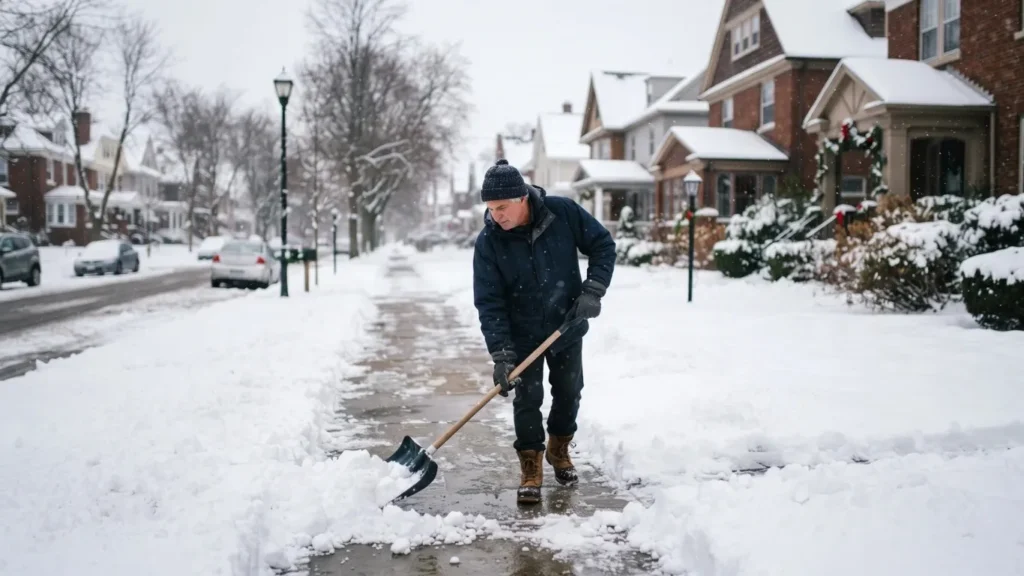
DIY Sidewalk Snow Removal vs. Professional Service
Some homeowners opt to handle snow clearing on their own, while others hire professionals to do the job.
DIY removal may be practical when:
- The property is relatively small
- Equipment is readily available
- The owner is available during storms
- Snowfall can be handled safely
- Only a few walking areas require clearing
Professional snow removal services Albany NY may be more practical for:
- Large properties
- Commercial facilities
- Apartment buildings
- Property managers overseeing multiple locations
- Businesses with early opening hours
- Properties requiring repeated service
- Owners who are frequently away
The choice should be based on more than just cost. Availability, property size, winter conditions, equipment, and response time are also significant.
Per-Visit vs Seasonal Snow Removal Contracts
It’s possible that owners could find various pricing models in comparison to snow removal companies.
Per-Visit Service
The customer is billed for service rendered. This can be done for smaller properties or customers who require occasional support. These costs may, however, differ depending on the frequency of snow.
Seasonal Contracts
There are typically seasonal agreements that specify a set time period for the winter season, based on the conditions outlined in the agreement. This can help to make your budgeting more predictable.
Event-Based or Accumulation-Based Agreements
Some contracts are based on the total amount of snowfall or weather conditions. It’s important for property owners to know what will cause a service visit before signing.
What to Look for in a Snow Removal Contract
A clear contract can help avoid misunderstandings in the winter.
Check the information like:
- Areas included in service
- Snowfall trigger
- Service timing
- Ice management
- Deicing materials
- Pricing structure
- Additional visit charges
- Snow storage areas
- Storm duration policies
- Responsibilities of the property owner
- Communication procedures
Commercial property managers should also look at how service activities are recorded. Don’t assume that clearing the sidewalks is part of plowing the parking lot. Verify all service areas by signatures.
Choosing Snow Removal Services Albany NY Property Owners Can Rely On
The choice of contractor isn’t about choosing the cheapest one. Think about how well the business can serve during the winter months.
Useful questions include:
- Do you provide residential or commercial service?
- Is sidewalk clearing included?
- Do you offer ice management?
- What equipment do you use for sidewalks?
- What triggers a service visit?
- How are long-duration storms handled?
- Are return visits available?
- Where will snow be placed?
- How do customers report problem areas?
- What happens during unusually heavy snowfall?
- Is proof of insurance available?
- Are services documented?
The contractor should state what they are covering and what they’re not covering.
Commercial Snow Removal Documentation
Documentation can be beneficial for property managers and businesses.
The following information can be included in a service record:
- Date of service
- Approximate service time
- Areas treated
- Work performed by type of work performed
- Weather conditions
- Materials applied
- Follow-up visits
Records are useful in assessing property maintenance and service during a winter event and in measuring the quality of service. Inter-visit inspection logs may also be used by some businesses to record conditions between contractor visits.
Preparing Your Property Before the First Snow
Snow removal can be quicker and easier if done in the winter. Property owners have the option to do the following before the season starts:
Inspect Sidewalks
Check for cracked pavement, uneven pavement, drainage issues and loose pavement, which may make snow removal more difficult.
Mark Obstacles
Landscaping elements, such as low features, curbs, utility covers, and decorative elements or features, may be hard to see after snow is on the ground.
Determine Snow Storage Areas
Look for suitable spots before deep snow and ice build-up.
Check Exterior Lighting
Well-lit walkways allow pedestrians and maintenance personnel to see them better in the early morning and evening.
Review Drainage
Provide a place for melting snow. Planning can minimize the need to make any major decisions during the initial big storm if it occurs.
Sidewalk Snow Removal for Rental Properties
A landlord or property manager can have multiple access paths to manage, such as those of various tenants.
When considering a rental property, pay attention to the following:
- Main sidewalks
- Individual entrances
- Shared walkways
- Parking areas
- Garbage collection paths
- Mail areas
- Steps
- Ramps
Duties may vary depending on the property’s structure, lease, and applicable legislation. Owners of property should be aware of who will be taking care of the property in winter and not assume that someone else will or that this is to be done automatically by the tenants.
Managing Snow During Long Storms
Many hours of a storm bring problems other than a few hours of snow. It’s possible to get a lot of depth or buildup at the end. In high-traffic areas, clearing can be repeated by contractors throughout the storm.
A common way to do this is to:
- Initial clearing after a specified accumulation
- Continued clearing while snow falls
- Final cleanup after the storm
- Ice treatment where needed
- Follow-up monitoring for refreezing
This will depend on the service contract and weather.
Snow Removal for Office and Multi-Unit Properties
There can be multiple entrances to office buildings and apartment complexes, as well as extensive networks of walkways. The best time to determine these is during property management, so the manager can track the routes most people take.
Common areas of focus are:
- Main entrances
- Mail and delivery areas
- Parking connections
- Accessible routes
- Waste collection areas
- Emergency exits
A written site map may be useful to contractors for determining which areas are priority service areas.
Final Thoughts
Winter weather is inevitable in the Capital Region, but property owners can prepare their property. Planning for sidewalk snow removal Albany NY is not just about clearing snow after the storm every once in a while. It takes preparation, speedy snow clearing, careful snow placement, ice management, and continual checks in changing weather.
Before winter, homeowners must identify key walking routes and ensure they have the proper equipment for winter walking. It is important to have a clear agreement between the landlord or property manager and tenants about maintenance duties. A commercial sidewalk clearing plan should be developed to account for employees, customers, deliveries, access routes, and daily fluctuations.
For larger or busier properties, you can hire a snow removal services Albany NY to offer more equipment, labor, and setup. Regardless of which way you take it, have a good understanding of the scope of service and ensure sidewalks, entrances, steps and ramps, parking connections, and ice management are included.
A well-organized Albany NY snow removal plan simplifies property maintenance from the first snow until the last freeze-thaw cycle of the season. By preparing early and treating sidewalk snow removal as an ongoing winter responsibility rather than a one-time task, Albany property owners can maintain more accessible, functional, and well-managed properties throughout the colder months.
Frequently Asked Questions
1. Why is sidewalk snow removal important in Albany?
Snow and ice can make pedestrian routes difficult to use. Regular clearing helps maintain access to homes, businesses, parking areas, and building entrances throughout winter.
2. How often should sidewalks be cleared during a snowstorm?
The appropriate frequency depends on snowfall intensity, property use, service agreements, and local requirements. High-traffic commercial properties may require repeated clearing during longer storms.
3. Is sidewalk clearing included with parking lot plowing?
Not necessarily. Some companies treat sidewalk clearing as a separate service. Property owners should confirm exactly which areas are included in the contract.
4. What is commercial sidewalk clearing?
Commercial sidewalk clearing involves removing snow and managing ice around businesses, offices, apartment complexes, retail facilities, and other commercial properties.
5. Why can sidewalks become icy after snow removal?
Remaining moisture or melted snow can refreeze when temperatures fall. Runoff from snow piles and drainage areas can also create new ice.
6. What areas should receive priority during snow removal?
Main entrances, high-traffic sidewalks, accessible routes, steps, ramps, and pedestrian connections to parking areas are typically prioritized.
7. Should snow removal include deicing?
Snow clearing and ice management are different services, although they are frequently combined. Property owners should verify whether deicing is included in their agreement.
8. Are seasonal snow removal contracts worth considering?
Seasonal contracts can provide predictable service arrangements and budgeting, but terms vary. Carefully compare service triggers, included areas, ice management, and additional charges.
9. How should I choose snow removal services in Albany NY?
Compare experience, service coverage, response procedures, equipment, insurance, ice management options, documentation, and contract terms instead of selecting a contractor based solely on price.
10. When should property owners prepare for winter snow removal?
Preparation should ideally begin before the first significant snowfall. Early planning gives owners more time to inspect their properties, select contractors, establish priority areas, and prepare equipment.


