
Snow & Ice Management Albany NY: Complete Guide for Winter Safety provides homeowners, landlords, business owners, facility managers, and property managers with practical information for maintaining outdoor areas throughout Albany’s winter season. Effective snow and ice management involves much more than pushing snow away after a storm. It requires preparation, timely snow removal, ice control, careful snow placement, ongoing inspections, and a clear plan for changing temperatures.
Winters in Albany can be snowy, freezing, and wet with cold and multiple freeze-thaw cycles. A pathway that seemed fine in the afternoon can be icy at night, and snow piles can melt, causing water to seep onto treated surfaces. These changing conditions can affect employees, customers, tenants, delivery personnel, and others who visit a commercial property.
These challenges are addressed in a complete Albany NY ice management plan before, during, and after winter weather. This guide explains how professional snow management works, which areas should receive priority, common mistakes to avoid, and how property owners can build an effective Winter property maintenance Albany plan.
What Is Snow and Ice Management?
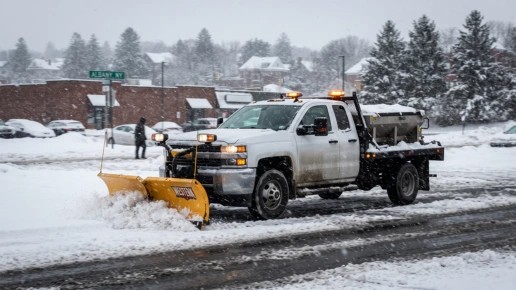
Snow and ice management is a carefully planned management strategy for outdoor surfaces in winter weather. Professional snow removal operations don’t just concentrate on clearing snow, but they take the entire weather event into account.
One of the common approaches is to:
- Weather monitoring
- Pre-storm preparation
- Snow plowing
- Sidewalk clearing
- Entrance clearing
- Ice management
- Deicing applications
- Snow relocation
- Drainage monitoring
- Post-storm inspections
- Refreeze monitoring
- Service documentation
The goal is to maintain the functionality of important areas by adapting to winter conditions. In commercial snow management, multiple crews, pieces of equipment, and services can operate during a storm for businesses and larger properties.
Why Snow and Ice Management Matters in Albany
Winter weather can affect nearly every area of a property. Parking areas and pedestrian paths can become clogged with snow. Ice can form on stairs, sidewalks, ramps, and entrances. Snowbanks can reduce visibility, and inadequate drainage can cause repeated refreezing.
Important areas include:
- Driveways
- Parking lots
- Sidewalks
- Building entrances
- Stairs
- Ramps
- Loading areas
- Accessible routes
- Emergency exits
- Delivery areas
The implementation of a coordinated strategy will help prevent the creation of another problem with a single winter maintenance activity. If snow placement is not part of the planning, for instance, in a plowed parking lot, large snow piles may be left next to pedestrian areas. The piles will melt, and the water can run on the sidewalks and freeze. Snow & Ice Management Albany NY takes these into account throughout the property.
Understanding Albany’s Winter Conditions
There are a number of weather events that can occur during the winter months, and each calls for a somewhat different response from the Albany property owner.
Snowfall
Light snow can create slippery conditions, and heavy snow can block parking areas, sidewalks, and entrances.
Freezing Rain
The former freezing rain can form an ice layer even if there isn’t much snow to clear.
Mixed Precipitation
Snow, sleet, and freezing rain can all occur in the same weather event, making treatment more difficult.
Freeze-Thaw Cycles
The temperatures can be above freezing during the day and below freezing at night. Melting snow water can then refreeze.
Wind-Driven Snow
Previously cleared snow may be blown back onto sidewalks, entrances, and parking areas. Winter maintenance plans should be flexible as conditions may vary during a storm.
Snow Removal and Ice Management Are Different
While these two terms are used interchangeably, they are not the same thing snow removal and ice management. Snow removal efforts focus on physically removing snow accumulations.
This may involve:
- Plowing
- Shoveling
- Snow blowing
- Pushing
- Hauling or relocating snow
Ice management is concerned with preventing or minimizing ice formation on surfaces.
Methods may include:
- Anti-icing
- Deicing
- Mechanical ice removal
- Applying traction materials
- Monitoring refreezing areas
A full snow and ice management program typically involves the combination of both. If snow is removed and there is ice left behind, surfaces may be difficult to use. Likewise, if de-icer is applied on top of deep snow, it may not be an effective de-icer.
Preparing Before Winter Arrives
Good winter maintenance starts in the fall before the first snow. Owners of any property should conduct a site inspection and identify potential problem areas.
Look for:
- Cracked pavement
- Uneven sidewalks
- Drainage problems
- Low areas of water accumulation
- Damaged steps
- Poor exterior lighting
- Downspouts discharging onto walkways
- Areas with limited snow storage
Problems in existing properties can be harder to spot when there is snow on the ground. Another good time to make the decision about the management of snow, whether it’s done in-house or by a professional snow management contractor, is before winter. Waiting for a major storm to arrive can reduce service availability.
Creating a Property-Specific Snow Management Plan
Each home has unique features. The approach to a small residential driveway is not the same as a shopping center, office complex, apartment building, or industrial site.
A plan for the properties should identify:
- Priority areas
- Snow storage locations
- Equipment access
- High-traffic routes
- Accessible entrances
- Emergency access points
- Areas likely to develop ice
- Drainage locations
- Service responsibilities
- Communication procedures
If your property is quite large, you may find a simple property map is useful. The map can tell them where to put snow and what areas to clear first.
Pre-Storm Preparation
Begin winter property maintenance before snow falls. Property owners or contractors may prepare equipment, materials, crews, and service schedules when winter weather is forecast.
Pre-storm preparation may include anti-icing treatments as needed, depending on conditions. Anti-icing is done by applying suitable materials before strong ice bonds form on the pavement. The specific method will vary based on temperature, type of precipitation, pavement conditions, and products used.
Not all situations are suitable for pre-treatment, and it is important to assess weather conditions before professional contractors treat them.
Snow Plowing for Driveways and Parking Areas
One of the main methods of controlling any accumulated snow on larger paved areas is plowing. When planning a plow operation, it is important to consider more than just moving snow to the edge.
Operators need to consider:
- Traffic flow
- Parking spaces
- Pedestrian routes
- Entrances
- Fire access
- Visibility
- Drainage
- Future snowfall
Snow piles that can be handled after the first storm can become a huge problem after a series of storms. Therefore, snow storage needs to be viewed throughout the winter season, not storm by storm.
Sidewalk Snow Management
Sidewalks need the same equipment and more attention to detail than parking lots.
The following is a list of typical sidewalk equipment:
- Snow shovels
- Snow pushers
- Snow blowers
- Compact snow machines
- Ice scrapers
- Small spreaders
Sidewalk clearing should extend beyond the sidewalk.
Owners of properties should think about pedestrian links between:
Parking → sidewalk → entrance → building
People can still access the building, but the connecting sidewalks remain unopened, and the parking lot is completely empty. Customers can get into the building, but connecting sidewalks are left unopened, and the parking lot is completely empty.
Entrances, Steps, and Ramps Need Special Attention
Often, the areas of a property with the highest foot traffic are the entrances. Snow and moisture can be introduced via people’s footwear, which may require increased monitoring.
During winter maintenance, the following should be taken into account:
- Main entrances
- Secondary entrances
- Steps
- Handrail areas
- Ramps
- Doorways
- Covered entrance transitions
Snow accumulations should not block doors and/or be so deep as to obstruct the use of a walkway. Tracked-in snow can also freeze around entrances when meltwater runs to them and refreezes. They can be inspected more often than other areas that have less traffic.
Albany NY Ice Management Strategies
Understanding ice formation and its potential causes is critical to ice management in Albany NY.
Typical trouble spots are:
- Shaded sidewalks
- North-facing surfaces
- Steps
- Ramps
- Low pavement areas
- Downspout discharge points
- Parking lot transitions
- Areas beside snowbanks
Ice management can be accomplished with mechanical removal, deicing products, anti-icing treatments, or traction materials. The right way depends on the conditions.
Also, property owners should keep in mind that too much de-icer may not be good. Temperature, surface type, landscaping, environmental considerations, and manufacturer recommendations should be taken into account when choosing a product and application rates.
Anti-Icing vs. Deicing
Both of these methods are for different purposes.
Anti-Icing
Anti-icing is typically performed before or during the early stages of certain winter weather events. It’s designed to make snow and ice less likely to stick to the road.
Deicing
Deicing typically occurs once snow or ice has settled. The goal is to reduce the surface material’s adhesion so it can be removed more easily. Neither reduces the need for manual snow clearing during heavy snowfall. A professional contractor may use multiple techniques if necessary, depending on the conditions of the weather.
Choosing Deicing Materials
The performance of various ice management products varies with temperature and property conditions. These can include a variety of chloride-based materials and traction materials.
When choosing a product, take into account:
- Pavement temperature
- Air temperature
- Surface material
- Landscaping
- Pets
- Nearby vegetation
- Drainage
- Application quantity
Certain materials, such as concrete, metal, and vegetation, can affect certain features of the property if used incorrectly.
These concerns can be minimized by following the manufacturer’s recommendations and avoiding overapplication of the product.
When Snow Relocation Becomes Necessary
The removal of snow is one of the least recognized aspects of snow management — where the snow goes.
Snow should not be stored in areas that obstruct:
- Sidewalks
- Accessible routes
- Fire hydrants
- Emergency exits
- Building entrances
- Parking visibility
- Drainage systems
- Loading areas
Larger snow accumulations can also obstruct the view of exiting vehicles from parking lots or driveways. Melting is another problem.
During warmer daytime temperatures, a snow pile uphill from a walkway can send meltwater across the walkway. This water freezes at night. These issues can be minimized with strategic snow placement.
When Snow Relocation Becomes Necessary
Limited storage space at properties. Due to several heavy snowfalls, some snow storage areas may be full. This is where it’s possible contractors will have to move the snow inside the property or take it away.
If snow piles grow to be:
- Reduce parking capacity
- Block sightlines
- Interfere with sidewalks
- Affect drainage
- Limit emergency access
- Produce recurring meltwater issues
To avoid future problems, it is better to plan ahead for this situation.
Commercial Snow Management in Albany
In commercial snow services, there is a need to be more organized, as businesses may have larger properties and more people using the property.
Commercial sites can be:
- Retail centers
- Office buildings
- Apartment complexes
- Healthcare facilities
- Restaurants
- Hotels
- Warehouses
- Industrial properties
- Educational facilities
The property may need to be accessible before, during, and after a storm. For instance, service for an office building might be needed before workers arrive in the morning, and for a retail building, that service may be needed throughout the business day. A professional plan should take into account the current use of real estate, not the end of snowfall.
Establishing Priority Zones for Commercial Properties
Priority areas can be established on large properties. Priority areas can be established in large properties.
Priority 1
These may include:
- Main entrances
- Emergency access
- Accessible routes
- Primary vehicle lanes
- High-traffic sidewalks
Priority 2
These may include:
- Secondary parking areas
- Additional sidewalks
- Delivery areas
- Secondary entrances
Priority 3
Other lower-traffic areas can be filled in once the most critical access routes have been addressed. This system enables crews to make more effective use of equipment and manpower during severe storms.
Snow Management During Long-Duration Storms
Not all storms develop and decay rapidly. The snowfall could last for several hours. It may be possible for substantial accumulation to occur if the storm does not stop until it has completely passed. A commercial contractor can thus offer several servicing rounds.
Some of the following measures may be considered in a long-duration storm plan:
- Initial treatment
- First plowing cycle
- Sidewalk clearing
- Continued plowing during snowfall
- Additional ice treatment
- Final cleanup
- Post-storm inspection
It is important to clearly outline the frequency of service in the snow management agreement.
Managing Freeze-Thaw Cycles
Post-snowfall is one of the greatest challenges to winter maintenance. The snow can melt during the day due to the sun’s heat and warmer temperatures.
Water then flows over:
- Sidewalks
- Parking lots
- Entrances
- Driveways
That water can freeze overnight when the temperatures drop. This can involve a home that has been properly cleared but still needs further treatment. A strong Winter property maintenance Albany strategy includes monitoring between storms, not only during active snowfall.
Drainage and Winter Property Maintenance
Drainage is a critical factor when snow starts to melt. Clogged drains can lead to water accumulation on hard surfaces. Drainage areas need to be identified prior to winter and, where possible, should not be covered with snow accumulations.
It is also a good idea to inspect downspouts. Repeated freezing may cause an ice problem for the rest of winter if the downspout is located on a sidewalk. In some cases, drainage issues may be solved, which means deicing treatment can be minimized.
Accessibility during Winter Weather
Snow and ice can pose other issues for persons with disabilities who use wheelchairs, walkers, mobility devices, or strollers. The entire accessible route should be considered when developing a winter maintenance plan.
Some key places are:
- Accessible parking spaces
- Access aisles
- Curb transitions
- Ramps
- Sidewalks
- Building entrances
One of the more common errors is to plow snow into approach areas or accessible parking spots. They should continue to be considered part of the property’s priority snow management plan.
Snow Management for Apartment and Rental Properties
Maintaining multi-unit residential properties in the winter can be complicated.
It can cover areas such as:
- Shared sidewalks
- Building entrances
- Parking areas
- Mail locations
- Waste collection routes
- Steps
- Ramps
- Emergency exits
It is important to have a clear delineation of who is responsible for each area of a property. The residents should also be familiar with what to do when icy or blocked areas require extra care. Effective communication can enable property managers to respond to the changing conditions more effectively.
Winter Maintenance for Retail Properties
Even if it snows, customers may still be coming and going at the retail site.
Important areas include:
- Customer entrances
- Parking connections
- Curb areas
- Cart returns
- Pickup zones
- Sidewalks
- Accessible routes
Snowpack and water trapped in entry areas should be taken into account by the retail manager. Exterior maintenance and interior entrance maintenance should work hand in hand to develop a more comprehensive winter plan.
Winter Maintenance for Office Properties
There are well-defined times of heavy flow in office buildings. For instance, there might be an applicable morning window; many staff members could come in during the morning. These patterns should be taken into consideration in snow management schedules.
Priority will be given to:
- Employee entrances
- Visitor entrances
- Main parking areas
- Pedestrian connections
- Loading areas
- Accessible routes
After employees show up, the service may not be as helpful as having proper maintenance scheduled in the lead-up.
Documentation for Commercial Properties
Good documentation is key to professional commercial snow management.
Service records can record:
- Date
- Service time
- Areas serviced
- Work performed
- Materials applied
- Weather observations
- Follow-up visits
There is also the option for property managers to keep their own inspection records. Service record-keeping helps facilitate the review of service performance and the identification of common maintenance issues during winter.
Final Thoughts
Managing winter weather successfully requires more than reacting when snow starts falling. Effective Snow & Ice Management Albany NY combines preparation, snow removal, Albany NY ice management, strategic snow placement, drainage awareness, and continued monitoring throughout the winter.
Homeowners may be able to manage smaller properties with appropriate equipment and preparation. Larger businesses, apartment communities, offices, retail centers, and other high-traffic properties often require a more structured commercial snow management strategy.
The strongest approach begins before the first storm. Identify priority areas, decide where to store snow, inspect drainage, prepare equipment, establish ice management procedures, and clearly define who is responsible for each task.
Most importantly, remember that winter maintenance does not end when a snowstorm stops. Melting, refreezing, drifting snow, and changing temperatures can create new conditions hours or days later. A complete Winter property maintenance Albany plan accounts for these changes.
By combining proactive planning with consistent snow and ice management, Albany property owners can keep sidewalks, entrances, parking areas, ramps, and other important spaces more accessible and manageable throughout the winter season.
Frequently Asked Questions
1. What is snow and ice management?
Snow and ice management combines snow removal, ice control, monitoring, planning, and follow-up maintenance to keep outdoor property areas functional during winter.
2. What is the difference between snow removal and ice management?
Snow removal physically moves accumulated snow. Ice management focuses on preventing, loosening, removing, or treating frozen buildup on paved surfaces.
3. What areas should be prioritized during commercial snow management?
Main entrances, accessible routes, emergency access, high-traffic sidewalks, primary driving lanes, and important parking connections are commonly prioritized.
4. What is anti-icing?
Anti-icing involves applying appropriate treatments before or near the onset of certain winter weather events to reduce ice bonding to pavement.
5. What is deicing?
Deicing is performed after ice or packed snow has formed and is intended to help loosen the bond between the frozen material and the surface.
6. Why does ice return after a property has been cleared?
Melting snow can flow across pavement and refreeze when temperatures drop. Snowbanks, downspouts, drainage problems, and shaded areas can contribute.
7. Is sidewalk clearing included with commercial snow plowing?
Not always. Sidewalk service may be separate, so property owners should confirm all included areas in the written contract.
8. Why is snow placement important?
Poorly placed snow can block visibility, drainage, parking, sidewalks, entrances, emergency routes, and accessible areas while creating future refreezing problems.
9. When should Albany property owners hire a snow management company?
It is best to arrange service before winter begins so the property can be evaluated and service expectations established before significant snowfall.
10. What should I look for in Snow & Ice Management Albany NY services?
Look for clear service terms, appropriate equipment, ice management capabilities, reliable communication, property-specific planning, documentation, insurance, and procedures for long-duration storms.


